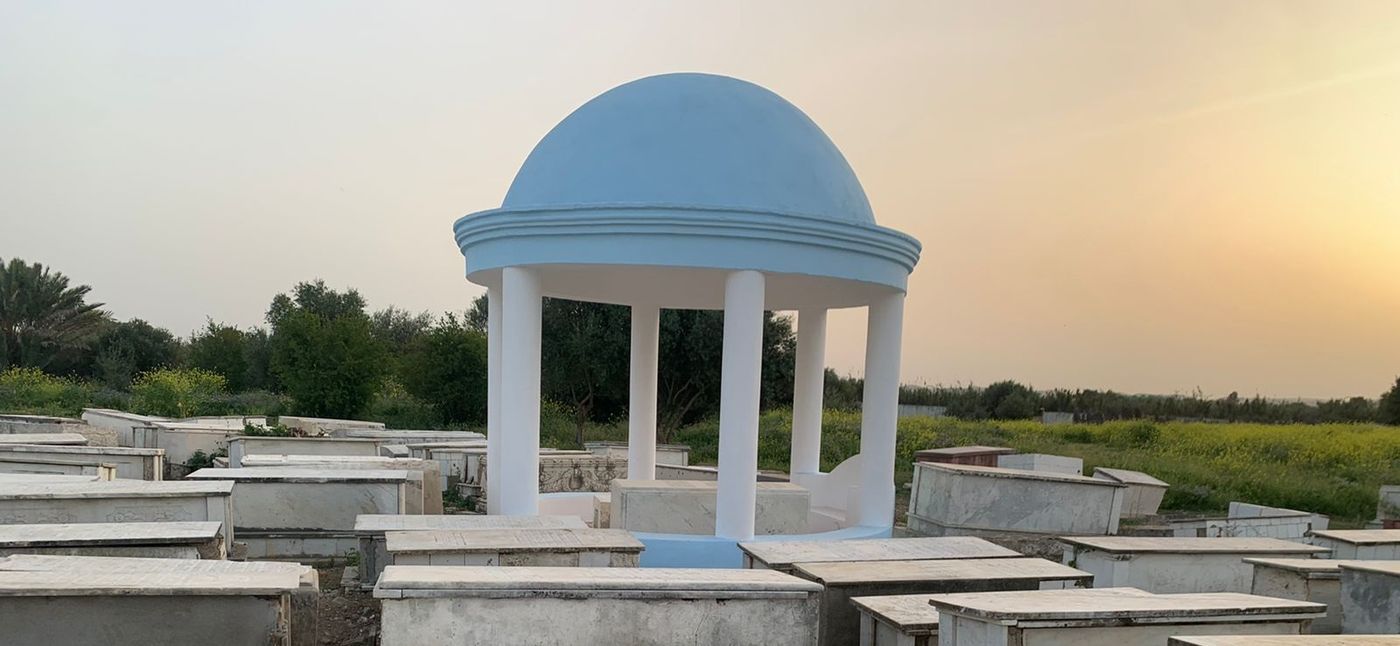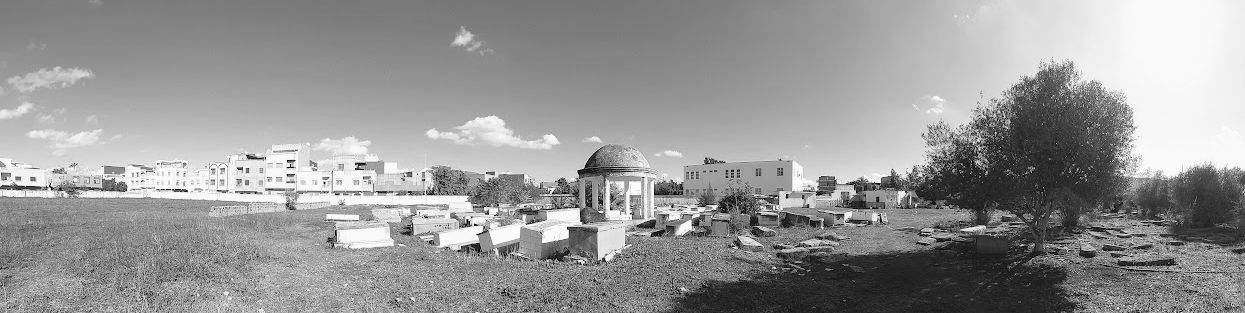
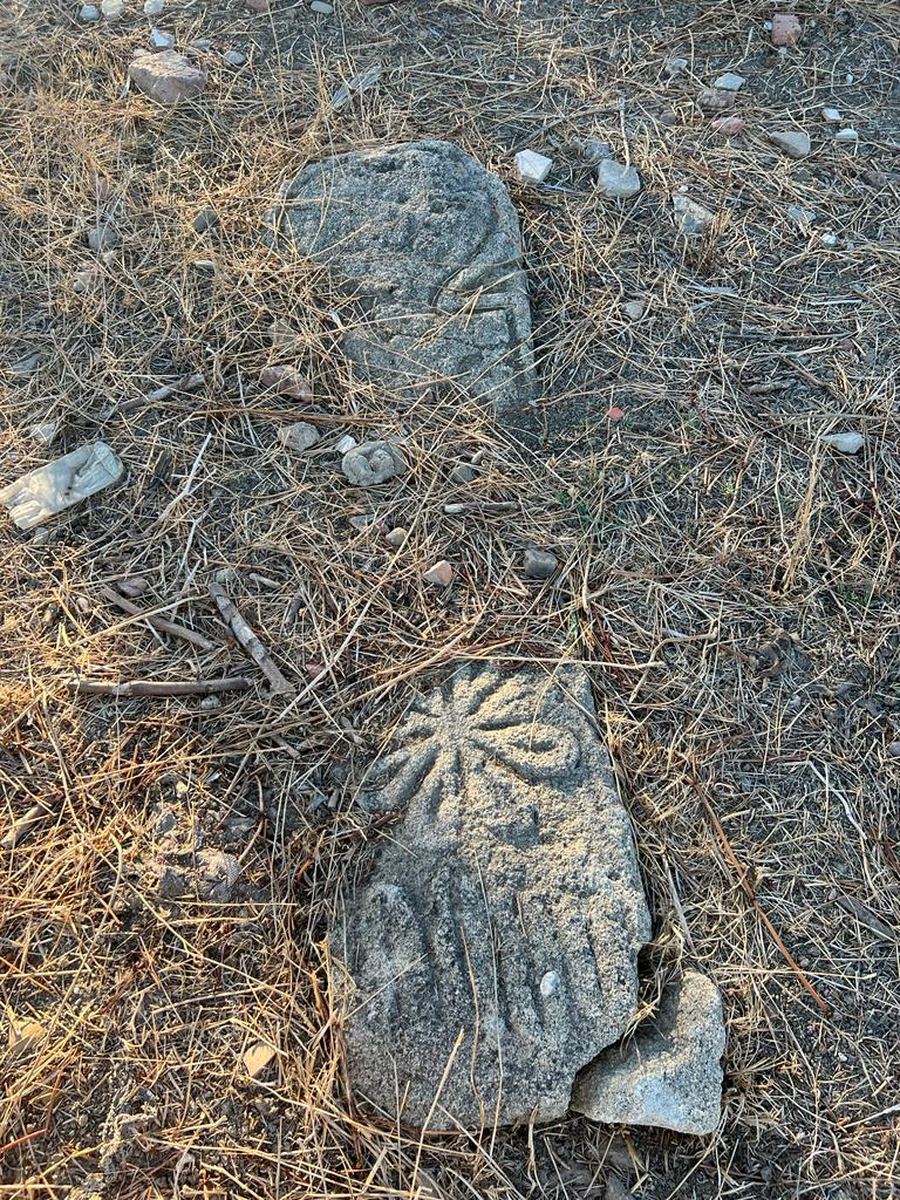
The Ksar el-Kebir Jewish Cemetery is located in the southern part of the city, in an area that used to be outside the old city. The cemetery covers an area surrounded by a wall of about 22,400 square meters. According to estimates and according to the findings of anthropomorphic tombstones at the site, the Ksar el-Kebir Jewish cemetery was used by the Jewish community from the 15th century to the mid-20th century. In the cemetery area there are more than 1,500 graves, many of them are decorated with carvings and inscriptions in Hebrew and Spanish. Today, the place is an important cultural and historical site that attracts tourists from all over the world, mainly expatriates and descendants of the Jewish community that once existed in Ksar el-Kebir.
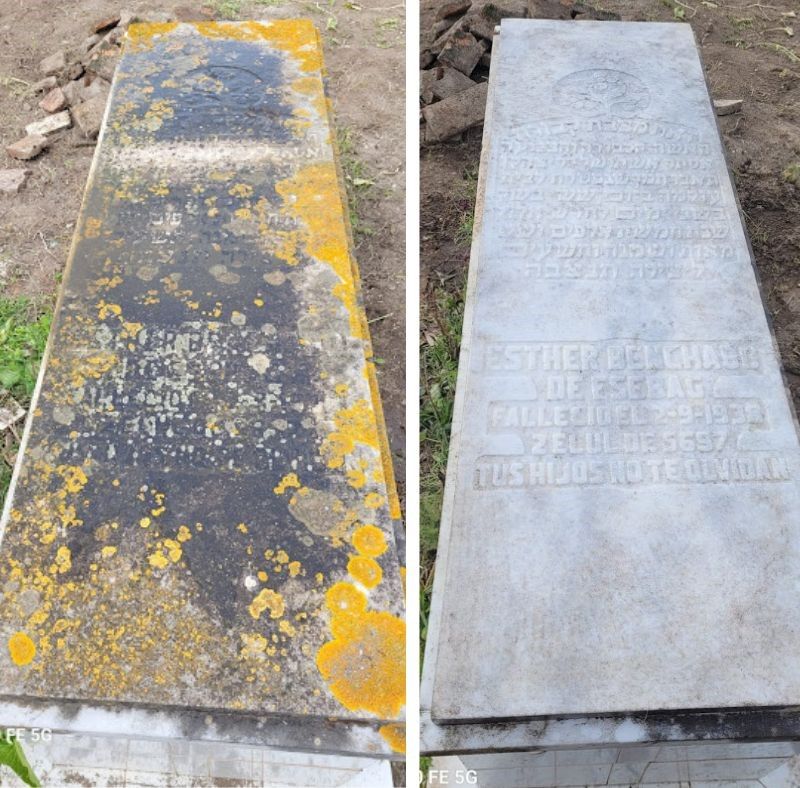
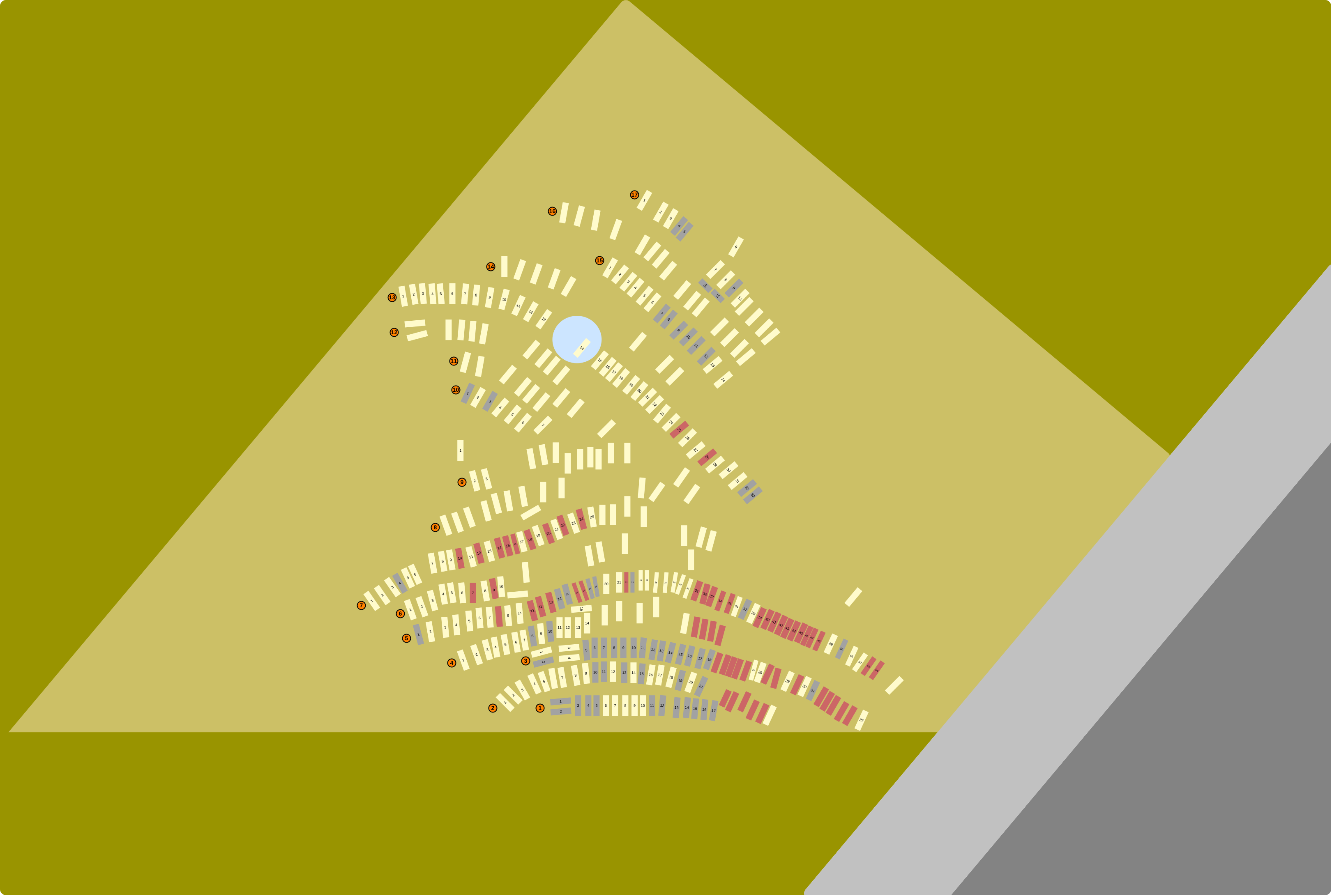
In 2023, the Jewish community of Tangier led by Mr. Aaron Abikzer partially implemented a plan for the restoration of the cemetery after efforts made by private parties and in full cooperation with the local and regional authorities of Morocco. The plan takes into account all aspects of conservation, repair and restoration of all headstones in the cemetery, accessibility to visitors, surveillance, maintenance and day-to-day management of the site. In a first phase and in accordance with the amount collected and the funding allocated by the Tangier Jewish Community Committee, the burial plot from the 1940s to the 1970s was partially restored between the months of February and March 2023. The rehabilitation works were entrusted to the BETD company owned by contractor Dris Sharaf. The first stage was carried out under the professional and halachic supervision of Mr. José Emergui, who is the son of parents from Ksar el-Kebir. As of March 2023, the renovation works according to the plan have been stopped and it is expected that they will be renewed and extended in the future to other plots, as long as conditions allow it.
During the restoration work, more than 200 tombstones were recorded in the cemetery, most of them from the 1940s to the 1970s. The documentation made it possible to create a database that includes information on those buried, such as the deceased's first and last name, maiden name, and the dates of death according to the Hebrew calendar and the Gregorian calendar. In some cases, information about the age of the deceased, the name of the father, the circumstances of death, and public activity of the deceased were also recorded. The database is accessible online to both the research community and the general public and is expected to include all the names of those buried which can be identified in the near future.